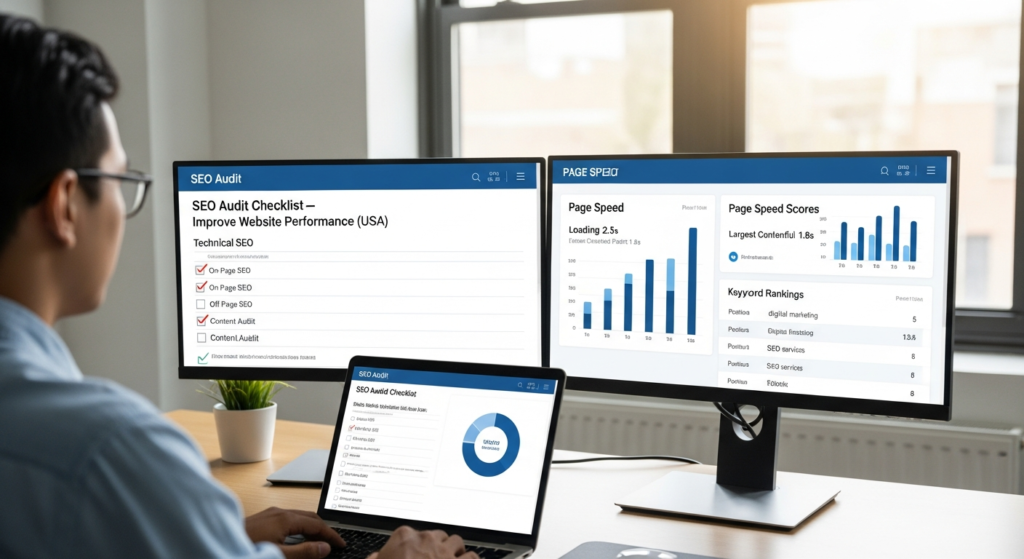
Is your website struggling to attract quality traffic, convert visitors, or rank at the top of Google? For businesses competing globally, a single technical issue, slow page, or broken link can mean missed revenue and lost reputation. If you’re ready to drive results, it’s time to master the SEO Audit Checklist. In this comprehensive guide, you’ll discover proven steps, expert insights, and actionable tools to diagnose weaknesses and supercharge your site’s performance. Perfect for US-based and international organizations, the SEO Audit Checklist shared here is your roadmap to digital growth, better rankings, and more conversions.
Why the SEO Audit Checklist Is Essential for Website Success
Before diving into the steps, let’s clarify why following an SEO Audit Checklist is essential—especially for global companies targeting customers in the United States and beyond. Search engines like Google use hundreds of ranking factors that constantly evolve, causing unexpected changes in your website’s performance. An up-to-date SEO Audit Checklist provides the clarity and action items needed to adapt quickly, outpace competitors, and tap into revenue-driven opportunities.
According to Moz, businesses that conduct regular audits can increase their organic traffic by up to 30%. As a leader in digital marketing services, Digitalsourcers.com helps brands achieve measurable improvements with these best practices.
Comprehensive SEO Audit Checklist: Step-by-Step Guide
1. Technical SEO: The Foundation of Your Audit
A technically sound website is the bedrock of online success. This first segment of your SEO Audit Checklist focuses on back-end factors that can drastically impact crawling, indexation, and user experience.
- Crawlability & Indexability: Use tools like Google Search Console or Screaming Frog to ensure all essential pages are being crawled and indexed. Blocked resources in robots.txt or accidental “noindex” tags can prevent pages from showing in SERPs.
- Site Speed & Performance: Studies show that a 1-second delay decreases customer satisfaction by 16% (Google Business). Leverage PageSpeed Insights and address slow-loading assets, images, and scripts.
- Mobile-Friendliness: Google uses mobile-first indexing. Test your site with Google’s Mobile-Friendly Test and resolve any display issues, especially for US mobile audiences.
- Secure HTTPS Protocol: Security is a trust signal for both users and search engines. Ensure your entire website uses HTTPS.
- Broken Links & Redirects: Scan for 404 errors, outdated redirects, or orphaned pages that can disrupt both crawling and user journeys.
2. On-Page SEO: Optimizations That Drive Visibility
On-page factors remain key elements of any effective SEO Audit Checklist. These optimizations not only boost rankings but also improve visitor engagement.
- Title Tags and Meta Descriptions: Analyze every page to ensure unique, keyword-optimized, and compelling title tags and meta descriptions. These are your first opportunity to convert searchers.
- Keyword Usage: Place your primary and long-tail keywords (like SEO Audit Checklist) naturally throughout headings, paragraphs, and image alt text.
- Content Quality & Freshness: Keep content relevant, thorough, and updated—demonstrating expertise and authority (E-A-T). For examples, check out our latest SEO services content strategies.
- Internal Linking: Link related pages, such as Google My Business Optimization and Local SEO Services, to distribute authority and improve site navigation.
3. Off-Page SEO: Signals That Strengthen Trust and Rankings
Building authority outside your domain is a must for global growth. An effective SEO Audit Checklist will analyze these off-page elements:
- Backlink Profile: Use tools or Moz to evaluate backlink quality. Remove toxic links and pursue reputable citations in your sector.
- Mentions & Brand Signals: Monitor brand mentions and citations on third-party sites to enhance trust signals.
- Local SEO Citations: Consistency in business name, address, and phone (NAP) across directories is critical, particularly for international brands targeting US consumers.
4. Local SEO Audit Checklist: Win in US and Global Markets
For businesses with physical locations or US audiences, local SEO can drive high-converting traffic. Your SEO Audit Checklist should include:
- Google My Business Profile: Claim, verify, and optimize your listing (full guide here).
- Local Citations & Directories: Ensure consistency and accuracy in all major local directories.
- Localized Content: Create pages or blog entries targeting US cities, regions, or services.
- Reviews & Reputation Management: Encourage customer reviews and quickly respond to feedback (positive or negative).
Explore more Local SEO Services tailored for competitive US regions.
5. Content Audit: Fuel Sustainable SEO Growth
Quality content is central to your SEO Audit Checklist, driving organic visibility and engagement for both local and global audiences.
- Evaluate Existing Content: Use analytics to determine what performs well—and what needs improvement or removal.
- Map Content to Search Intent: Analyze if your landing pages, blogs, and product pages truly answer user queries and support the complete buyer journey.
- Unique Value Proposition (UVP): Ensure your site uses clear messaging that differentiates your business for US and international clients.
- Multimedia Enhancement: Integrate videos, infographics, and visual elements. Effective digital marketing services often combine text and multimedia to amplify engagement.
6. User Experience (UX): A Ranking Factor You Can’t Ignore
Google prioritizes user-centric design. An enhanced UX not only supports SEO but also boosts site conversions. Your SEO Audit Checklist must assess:
- Navigation & Site Structure: Ensure logical flow, easy access to main pages, and a flat architecture reducing click depth.
- CTAs and Conversion Paths: Place strong calls to action throughout, guiding US and global visitors toward requests, purchases, or sign-ups.
- Design Responsiveness: Test your web design on various devices to ensure international accessibility and engagement.
For expert support, see our SEO Services and SEM solutions.
7. Analytics, Reporting, and Continuous Improvement
The SEO Audit Checklist doesn’t end at implementation. Setup and review advanced analytics to measure real impact, adapt strategies, and drive ongoing growth.
- Google Analytics & Search Console Integration: Confirm both are running and collect clean, accurate data.
- Conversion Tracking: Monitor leads, sales, and actions that matter to your business.
- Regular Reporting: Schedule monthly reviews to identify trends, wins, and new SEO opportunities.
How to Use the SEO Audit Checklist for International SEO Success
For businesses targeting US and international markets, localization and adaptability are critical. Here are key ways to expand the value of your SEO Audit Checklist:
- Language & Geotargeting: Use hreflang tags, localized content, and appropriate country targeting in Google Search Console.
- Market-Specific Keyword Research: Adapt content using long-tail keywords relevant to each audience segment.
- Global Site Performance: Test site speed and uptime from different countries, resolving CDN or hosting issues.
- Link Building in Target Regions: Source backlinks from authoritative local sources as well as international publishers.
Key Things to Know Before You Begin
- The SEO Audit Checklist is a repeatable process, not a one-time task—regular audits are essential for sustained growth.
- Technical, on-page, and off-page elements must all be addressed for optimal results.
- Localization and intent-targeted content are must-haves for engaging US and global audiences.
- Continuous measurement and iteration are critical—tools like Google Analytics and Search Console will guide your decisions.
Frequently Asked Questions
- What is an SEO Audit Checklist and why is it important?
An SEO Audit Checklist is a structured list of items to assess and improve your website’s search engine optimization. It helps identify technical errors, content gaps, and off-page issues that could limit your rankings and traffic. - How often should I perform an SEO audit?
Most brands should complete a comprehensive SEO audit quarterly, with mini-audits monthly—especially after website changes or Google algorithm updates. - What tools are recommended for executing an SEO Audit Checklist?
Popular tools include Google Search Console, Google Analytics, Screaming Frog, PageSpeed Insights, SEMrush, and Moz. - Can a small business benefit from a full SEO Audit Checklist?
Absolutely. Audits are vital for businesses of any size. For small businesses, an SEO Audit Checklist prioritizes changes that make the most impactful improvements on limited budgets.
Next Step: Take Action Today
A successful digital marketing strategy always starts with clarity. At Digitalsourcers.com, our expert team uses the SEO Audit Checklist to power up brands worldwide. Ready to improve your search rankings, attract more leads, and scale globally? Contact us today for a complimentary audit and discover why global businesses trust Digitalsourcers.com for digital marketing services built for results.
Conclusion
Following a comprehensive SEO Audit Checklist is the surest way to boost your website’s performance, no matter your industry or market. By systematically reviewing technical, on-page, off-page, content, and user experience factors, international brands can maximize online visibility and outpace the competition. With support from Digitalsourcers.com, you gain a partner committed to measurable growth in the United States and worldwide—through proven strategies, industry-leading tools, and relentless innovation. Start auditing your site today, and experience the power of expert-driven, data-backed results.