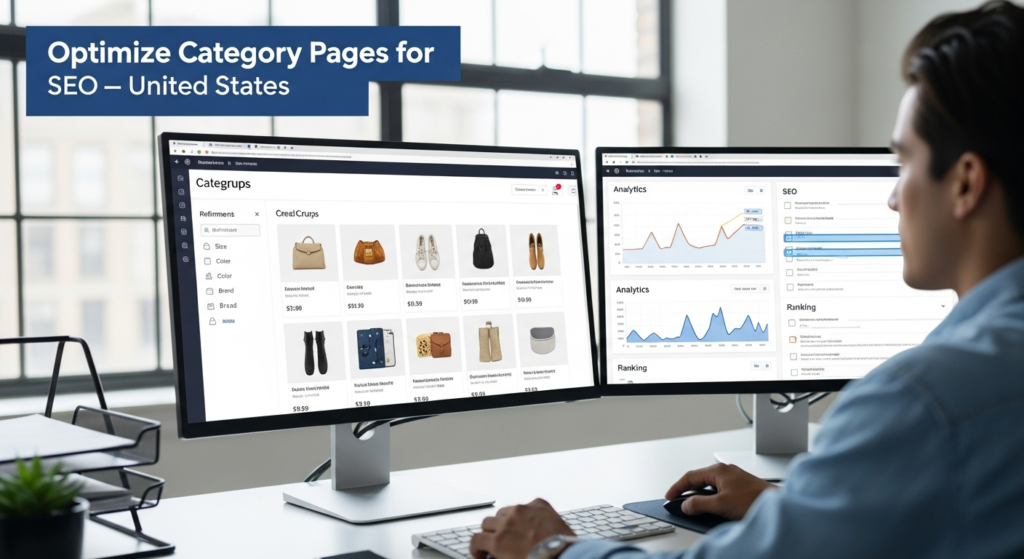
Are your category pages underperforming in search engine results, attracting little organic traffic, or failing to convert shoppers into buyers? For global ecommerce businesses or digital marketers, mastering Category Page SEO is the game-changing strategy you need. This comprehensive guide reveals why optimizing your collections, taxonomy, and navigation is critical for ecommerce SEO success. Discover proven tactics, real-world data, and expert tips to transform your site’s category pages into high-converting, search-friendly assets that drive growth across the United States and beyond.
Why Is Category Page SEO Critical for Modern Businesses?
In today’s fiercely competitive online market, simply having attractive product listings isn’t enough. Category Page SEO ensures that your collection and product grouping (taxonomy) pages act as high-performing entry points for new and returning customers. These pages not only define your site’s internal structure and navigation but also directly influence crawlability, indexation, and how your audience discovers your offerings.
For example, a multi-brand sports equipment retailer with optimized category pages can expect up to 32% more organic traffic compared to those relying solely on product detail pages. In fact, SEMrush reports that well-optimized category pages can outperform individual product pages for broad commercial intent keywords.
Defining Category Page SEO: What You Need to Know
Category Page SEO is the tailored process of optimizing your category, collection, or taxonomy pages to maximize visibility, rankings, and conversions on search engines. Unlike product detail pages, these “hub” pages are designed to organize groups of similar products or services—improving site structure, user experience, and authority flow for ecommerce SEO at scale. Think of your category pages as the cornerstone of your website’s navigation and revenue engine.
Building a Winning Foundation: Information Architecture and Taxonomy
The Power of a Logical Taxonomy
A well-structured taxonomy is the backbone of Category Page SEO. Whether you serve the United States market or a global audience, grouping products or content logically into collections and categories helps users navigate and search engines understand site relevance.
- Group products by type, use case, or audience for intuitive browsing.
- Avoid duplicate or overlapping categories that can confuse both users and search engines.
- Keep the hierarchy shallow—ideally, any product should be accessible within three clicks from the homepage.
For example, a leading fashion ecommerce site categorizes men’s shirts by fit, color, and material, making each collection distinguishable and indexable for search engines—driving better ecommerce SEO and higher conversion rates.
Navigation That Sells (and Ranks)
Optimal navigation goes hand-in-hand with Category Page SEO. Ensure your main navigation features prominent, descriptive links to all core category pages.
- Use keyword-rich anchor text—avoid generic labels like “Products” or “Shop.”
- Deploy breadcrumb navigation to show users their path and help search bots map your structure.
- Include links to popular or seasonal collections in your navigation bar or sidebar.
According to Ahrefs, sites with clearly structured menus and taxonomy enjoy 20% faster indexation by Google and enhanced sitewide authority distribution—fueling every aspect of digital marketing services from SEO services to search engine marketing.
Essential On-Page Elements for Category Page SEO
Keyword Research: Target the Terms That Matter
Effective Category Page SEO starts with research. Identify both broad and specific long-tail keywords—such as “men’s waterproof hiking boots” instead of simply “hiking boots”—using tools like Google Keyword Planner or SEMrush. Incorporate these into:
- Main heading (H1)
- Meta title & description
- Category intro copy
- Image alt text
Real data shows that category pages targeting well-researched long-tail keywords see click-through rates up to 8x higher than those targeting generic terms alone.
Compelling Category Titles and Meta Descriptions
Craft concise, descriptive titles and meta descriptions that integrate your primary and semantic keywords. Example:
- Title: “Shop Men’s Waterproof Hiking Boots | Free Shipping Across the United States”
- Meta Description: “Explore our top-rated collection of waterproof hiking boots. Versatile, durable, and perfect for any outdoor adventure. Fast US delivery guaranteed.”
These encourage higher click-through rates while boosting relevancy for Category Page SEO.
Unique Content for Each Category Page
Avoid the common error of empty or duplicate content. Add a brief, keyword-rich introduction (100-300 words) at the top of each page, explaining what’s in the collection, who it’s for, and any USPs (unique selling propositions).
- Showcase awards, trust signals, or user reviews within your intro copy when possible.
- Feature internal links to related categories or complementary products and services—for example, link from “Outdoor Apparel” to “Hiking Footwear.”
High-performing US ecommerce brands like Zappos and REI consistently use unique content blocks to differentiate category pages and satisfy both Google and users.
Optimized Images and Media
Visual elements strongly impact engagement and conversions. For Category Page SEO:
- Use relevant, high-quality images for each product collection and navigation block.
- Optimize image file names and alt attributes with category and semantic keywords such as “outdoor-footwear-ecommerce-seo.jpg.”
- Provide engaging video previews or explainer videos that highlight the value of your category—an expertise Digitalsourcers.com offers to strengthen digital marketing campaigns.
Technical SEO Tactics for Maximum Impact
Internal Linking: Boost Authority Flow
Category pages thrive with strong internal linking. Link to and from your most important category, collection, and product pages to distribute link equity and create a logical site flow. For global and US audiences, be sure to link your top-level collections from both your homepage and relevant blog content.
For instance, connect Category Page SEO–optimized pages directly with local digital marketing service pages such as Local SEO Services and Google My Business Optimization to funnel authority to your service collections while improving user navigation.
Faceted Navigation and Filters (Without SEO Nightmares)
Modern ecommerce and service websites depend on filters for attributes like size, color, or price. However, poor faceted navigation can lead to excessive URL variations and duplicate content.
- Block irrelevant URL parameters from crawling with robots.txt and canonical tags.
- Only allow Search engines to index unique, high-value filter combinations.
- Generate dynamic XML sitemaps that include all valuable category and collection pages.
Sites with clean faceted navigation report up to 15% greater visibility in competitive verticals across the United States, according to MOZ.
Schema Markup for Enhanced Snippets
Deploy Schema.org CollectionPage markup on your category pages. This improves your chance of enhanced SERP displays like star ratings, product counts, or price information—making your listings more clickable and authoritative for ecommerce SEO.
Lightning-Fast Load Times & Mobile Optimization
A one-second delay in load time can cost ecommerce sites up to 7% in conversions. Use compressed images, lazy loading, and responsive design to ensure your category and collection pages load rapidly and look perfect across all devices. Google’s mobile-first indexing now prioritizes mobile usability, making mobile-optimized category pages mission-critical.
Content Marketing Integrations: Power Up Category Page SEO
Don’t treat category pages as isolated silos! Smart US and global businesses leverage content marketing and outreach as an engine to build page authority and relevance.
- Regularly publish blog posts targeting relevant product use cases or buyer guides, linking contextually to your category pages.
- Secure backlinks from authority websites in your industry, passing equity to your category hub pages.
- Use social media marketing campaigns to drive traffic to new or updated collections, amplifying SEO signals.
Digitalsourcers.com delivers digital marketing services designed to unify SEO, SEM, content marketing, web design, and video marketing—transforming category pages into traffic magnets.
The Role of Local SEO and Reputation Management in Category Page SEO
For businesses with physical locations or US service areas, localizing category pages is a strategic advantage.
- Include city or region-specific terms in category titles, meta data, and content (“Shop Garden Tools in Dallas, TX”).
- Embed location schema to help Google surface category pages in local pack results.
- Showcase testimonials, ratings, or reviews relevant to each category—leveraging reputation management for higher conversion rates.
Accelerate these efforts using Google My Business Optimization and Local SEO Services for best-in-class local presence.
Key Things to Know Before You Begin
- Category Page SEO is vital for attracting, engaging, and converting high-intent users at scale—especially within ecommerce and service-driven websites.
- A clear taxonomy and intuitive navigation structure ensure both users and search engines can easily access and understand your collections.
- Unique content, relevant keywords, and technical optimization set your category pages apart from generic competitors and maximize visibility.
- Combining category page optimization with ongoing content marketing and local SEO accelerates sustainable, long-term growth for US and global markets.
Frequently Asked Questions
-
What is Category Page SEO, and why does it matter?
Category Page SEO refers to optimizing your website’s category, collection, or taxonomy pages to improve rankings, user experience, and conversions. These pages act as strategic hubs—organizing products or services, driving targeted traffic, and supporting overall ecommerce SEO efforts. -
How do I choose the right keywords for a category page?
Conduct keyword research to identify both broad terms and long-tail variations directly tied to the intent of your collection. Use keyword tools and competitor analysis to find phrases that balance decent search volume with manageable competition—then integrate these keywords naturally across page elements. -
How much content should a category page have?
Ideally, each category page should feature a unique introduction of 100–300 words above the fold, integrating your primary keywords and answering users’ search intent. Supplement with additional content blocks, user reviews, and internal links as needed. -
What are some common Category Page SEO mistakes to avoid?
Avoid thin or duplicate content, keyword stuffing, unclear navigation, and improper faceted filter setup (which can lead to SEO cannibalization or crawl waste). Always provide original copy and make navigation seamless for humans and search engines alike.
Next Step: Take Action Today
Ready to elevate your online performance with expert Category Page SEO? Contact Digitalsourcers.com now for a complimentary site audit and discover how our digital marketing services can deliver stronger rankings, more sales, and measurable ROI for your business in the US and around the world.
Conclusion
In today’s digital-first landscape, mastering Category Page SEO is a must for both international ecommerce retailers and US-based service providers. By strengthening taxonomy, navigation, and unique content, your collection pages become authoritative, high-traffic magnets. Partnering with Digitalsourcers.com unlocks advanced strategies in local SEO, web design, reputation management, content marketing, and video marketing—empowering your brand to outperform both search competitors and customer expectations across the globe.