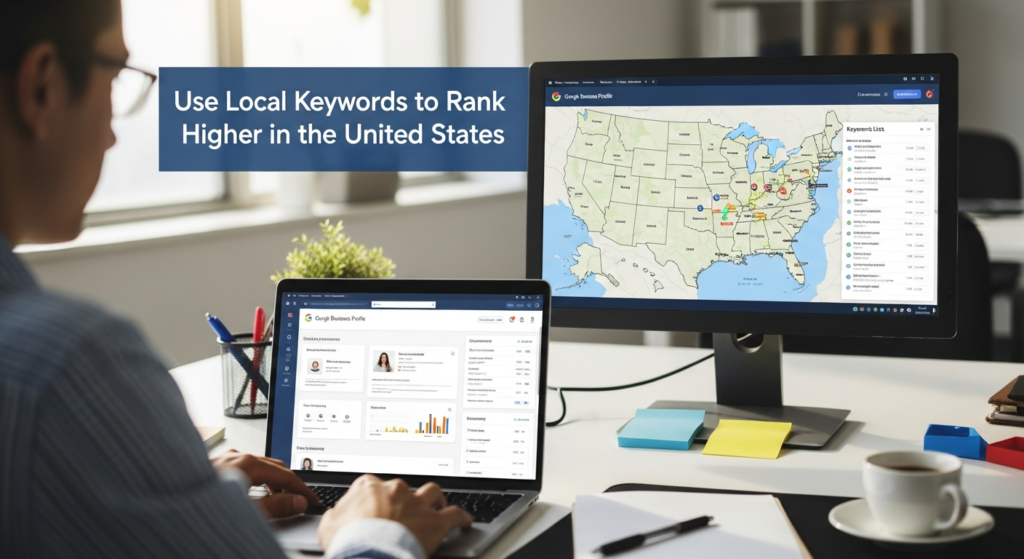
Is your business struggling to appear in local search results, despite managing your online listings and running ads? You’re not alone. Many brands spend time and budget on digital marketing but miss the game-changing step of optimizing local keywords for SEO. If you want to make your company the first choice in your city, region, or neighborhood—and outshine competitors—you need the right local keywords strategy. In this comprehensive guide, you’ll discover how to use local keywords for SEO to boost your visibility, drive qualified traffic, increase your leads, and accelerate growth within your desired market. Whether you’re a global business expanding into the United States or an established U.S. enterprise, this post will provide you actionable, expert insights and examples to start winning local searches today.
Why Local Keywords for SEO Are Essential for U.S. Businesses
Local searches—searches that include geo-specific intent—make up more than 46% of all searches on Google (Moz). For brands operating in the United States, this represents millions of daily opportunities to attract customers actively seeking solutions in their area. The right local keywords for SEO don’t just get you seen. They connect your digital presence to real-world demand, resulting in higher conversion rates, better customer trust, and a serious competitive advantage. Given that 78% of mobile local searches lead to offline purchases (Yoast), ignoring local keywords is risking revenue.
Understanding Local Keywords for SEO: What Are They?
Local keywords for SEO are search phrases that contain geographic modifiers. This can include city names, suburbs, neighborhoods, or phrases like “near me.” Long-tail keywords and semantic keywords that indicate local intent help Google and other search engines understand that your business is relevant for that location.
- “Digital marketing agency in New York City”
- “Best Italian restaurant near me”
- “Los Angeles SEO services”
- “Miami reputation management experts”
When international companies target U.S. customers, using geo-specific local keywords for SEO ensures every marketing dollar is working as hard as possible toward your business goals.
How Google Uses Local Keywords to Rank Your Business
When users perform location-based searches, Google’s algorithms look for evidence of local relevance. This comes from your website content, Google My Business profile, reviews, and citations. The presence and natural distribution of local keywords for SEO throughout your digital marketing services pages, meta data, and key landing spots are essential ranking signals.
Key Local SEO Ranking Factors:
- On-page local keywords: Service pages, titles, headers, meta descriptions.
- Google Business Profile optimization: Name, description, categories, reviews (see our guide).
- Local backlinks: References from regional publications and directories.
- Localized content & intent: Blog posts, case studies, testimonials.
By weaving local keywords for SEO into your strategy, you’re essentially sending a clear message to both search engines and users about where you operate and whom you serve.
Researching Effective Local Keywords for SEO
Finding the best local keywords for SEO takes data, creativity, and tools. Relying on guesswork is a missed opportunity, given how search behavior varies even across nearby neighborhoods. Here’s a step-by-step process international and U.S.-based brands can follow:
1. Start with Core Services and Geography
- List out all core offerings (e.g., SEO, SEM, web design, video marketing, content marketing).
- Identify your primary markets (state, city, neighborhood, or region).
Combine each service with each location, such as “Houston SEO services,” “Boston digital marketing agency,” and “Dallas video marketing experts.”
2. Use Keyword Research Tools for Local Insight
Leverage Google Keyword Planner, Moz Local, and SEMrush to explore variations with location modifiers. Tools like Yoast help analyze long-tail keywords and semantic keywords for natural usage.
- Focus on search volume, competition level, and “people also ask” suggestions.
- Pay attention to local slang, abbreviations, and language nuances.
3. Analyze Competitors in Your Local Market
Using tools such as Moz, study which local keywords for SEO are driving traffic to your competitors. Are there gaps in their content? Unaddressed neighborhoods or industries you can serve?
4. Incorporate Long-Tail and Semantic Keywords
Long-tail local keywords for SEO (e.g., “top social media marketing company in Austin for restaurants”) target highly qualified leads and capture lower-funnel searchers. Semantic keywords related to locations, landmarks, or industries create context for search engines about your business’s relevance.
Top Strategies for Using Local Keywords for SEO on Your Site
Choosing local keywords for SEO is just the start—you need to implement them strategically for maximum impact. Here’s how international and U.S. companies can ensure their entire digital ecosystem sends strong local signals.
1. Optimize Page Titles, Descriptions, and Headers
- Place primary and long-tail local keywords for SEO at the beginning of title tags (e.g., “San Francisco Content Marketing Services – Digitalsourcers.com”).
- Include unique local modifiers in meta descriptions and H1/H2 headers.
- Keep phrasing natural for readers and search bots.
2. Create Dedicated Local Landing Pages
Design unique landing pages for each targeted city, neighborhood, or service area. Avoid duplicating content; tailor each page to specific audience needs. For example, “Orlando Reputation Management for Healthcare Providers” versus “Orlando Reputation Management for Restaurants.”
3. Use Local Keywords in Website Content and Blogs
- Weave local keywords for SEO into service descriptions, testimonials, case studies, and FAQs.
- Target community topics in your blog posts. Example: “How to Boost SEM ROI for Miami Retailers.”
4. Strengthen Google My Business and Online Listings
Embed core local keywords for SEO in your Google My Business profile, Q&A section, and review responses. Ensure all web directories, local listings, and citations have consistent wording and categories.
5. Leverage Schema Markup for Local Context
Use LocalBusiness schema and FAQ schema to show search engines clear contextual data. This structured approach helps you appear in local knowledge panels and “3-pack” maps results.
Local Keywords for SEO in SEM, Social Media, and Content Marketing
Local keywords for SEO aren’t just for website optimization. For true omnichannel impact, apply them across the digital marketing spectrum:
- SEM (Search Engine Marketing): Use geo-modified keywords in ad copy, campaign settings, and landing pages. Learn more at our SEM solutions.
- Social Media Marketing: Add location-based hashtags and phrases in profile bios, posts, and paid ad targeting.
- Video Marketing: Include local keywords for SEO in video titles, file names, descriptions, and closed captions.
- Reputation Management: Respond to reviews using service and location keywords, and ask happy clients to mention their city or neighborhood.
The team at Digitalsourcers.com specializes in mapping out a holistic digital plan, blending local keywords for SEO with advanced targeting across all marketing channels.
Tracking the Results: Measuring the Impact of Local Keywords for SEO
Execution without measurement is guesswork. Watch these metrics to ensure your strategy is generating ROI:
- Improved Local Rankings: Are you appearing higher on Google for searches with your city, state, or neighborhood?
- Increase in Local Organic Traffic: Monitor page visits from your targeted regions using Google Analytics and Search Console.
- Growth in Qualified Leads: Track calls, contact requests, and store visits—metrics that matter most to your business.
- Higher Conversion Rates: Are visitors from local searches turning into paying customers?
Businesses partnering with Digitalsourcers.com’s Local SEO Services often see a measurable uptick in search visibility, traffic, and local engagement within three to six months.
Practical Example: Multi-City U.S. Franchise
Consider a franchise with locations in Chicago, Houston, and Atlanta. By researching unique local keywords for SEO (like “Houston digital marketing for dentists” or “Chicago web design agency near me”) and building tailored landing pages, the franchise doubled local organic leads in six months—outperforming national competitors that relied on generic terms.
Key Things to Know Before You Begin
- Local keywords for SEO must match real user intent and always include relevant city or neighborhood names for accuracy.
- Long-tail keywords and semantic keywords help you connect with highly motivated customers and beat local competitors.
- Local keywords for SEO should be distributed naturally across on-site content, GMB listings, and digital ads for maximum effect.
- Consistent performance tracking is essential—adjust keywords, landing pages, and strategies based on local search data trends.
Frequently Asked Questions
Q1: What are local keywords for SEO, and why are they important?
Local keywords for SEO are geo-targeted search phrases that help connect your business with customers in specific locations. They improve local search rankings, drive more qualified leads, and increase the chances of offline sales.
Q2: How do I choose the right local keywords for SEO?
Combine your main services with locations you serve, use keyword research tools, analyze competitors, and focus on long-tail and semantic keywords to reach highly qualified audiences.
Q3: Where should I use local keywords for SEO on my website?
Deploy local keywords in page titles, meta descriptions, headers, landing pages, blog content, Google My Business listings, and review responses for the strongest results.
Q4: How quickly will I see results from local SEO keywords?
Businesses often notice improved rankings and traffic within three to six months, though timing depends on competition, current website health, and implementation quality.
Next Step: Take Action Today
Ready to dominate your local market? Partner with Digitalsourcers.com and access proven, data-driven local SEO strategies tailored for U.S. businesses and global brands entering the U.S. Reach out now to schedule a free consultation—let’s turn local searches into loyal customers!
Conclusion
As digital competition intensifies, using the right local keywords for SEO is the most powerful lever to boost your business’s search visibility and conversion rates in any U.S. market. By focusing your SEO, content, SEM, and reputation management on real-world local demand, you’ll connect with your best customers—right when they need you. Whether you’re an international brand scaling your U.S. presence or a homegrown company aiming for more growth, Digitalsourcers.com delivers world-class solutions to maximize your success. Start optimizing your local search strategy now and win where it matters most—your own backyard.